
































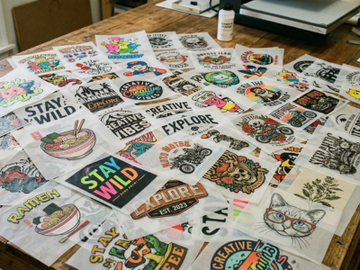
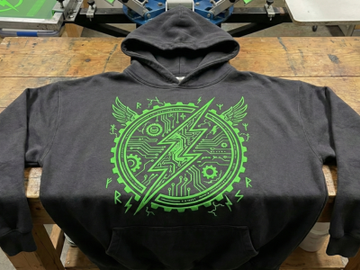
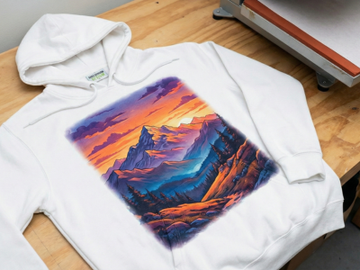










Purchase the service
Following your purchase, we will contact you
Send us your textile
Shipping is at your expense.
We perform the test
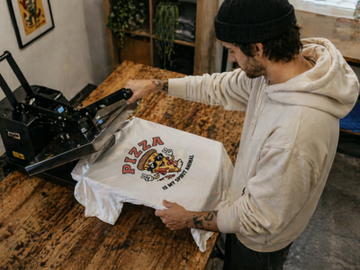
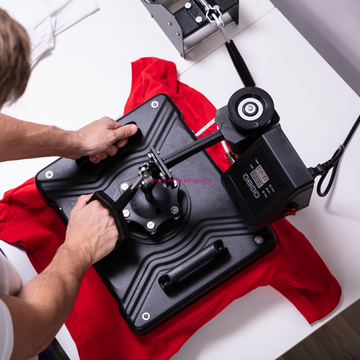
We apply a transfer to the textile and carry out an aging test
We return your textile to you
Once testing is complete, we return your textile to you, with the aged transfer.
Check the actual durability of your DTF transfers on softshell
Pigment migration on softshell can appear several days, weeks or even months after pressing.
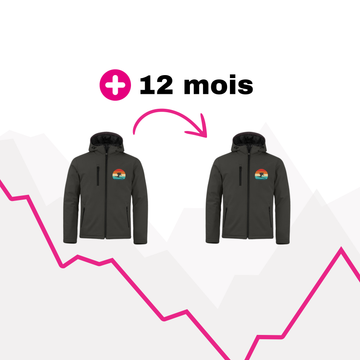
With our 12-month DTF SOFTSHELL aging test service, you can anticipate this phenomenon before mass production.
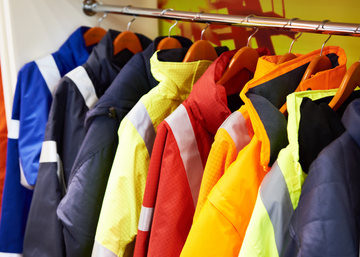
You send us your softshell textile.
We then apply a standard DTF transfer or a DTF BLOCKMAX transfer, according to your preference, then we perform an accelerated aging test simulating up to 12 months of evolution.
This service allows you to verify whether your textile presents a risk of migration or sublimation bleed-through.
DTF transfer comparison: classic vs BLOCKMAX
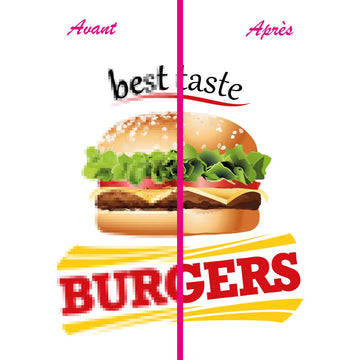
At the bottom, a standard DTF transfer. You can see pigment migration that alters colors and degrades the visual quality.
At the top, the DTF BLOCKMAX transfer. Colors remain sharp, whites are preserved. No visible migration, even on technical textiles.
The difference is immediate. With BLOCKMAX, your textile transfer print remains reliable, clean and durable.


What is pigment bleeding on softshell?
Softshells often contain unstable dyes.
Under the effect of heat, these pigments can migrate into the textile transfer.
💡Technical clarification
A softshell is not a sublimated textile. It is dyed industrially at high temperature with dispersed dyes directly integrated into the polyester fibers.
The pigments therefore do not remain on the surface: they are present at the core of the material.
When a textile transfer is heat pressed, these dyes can reactivate and migrate towards the print. This phenomenon is called dye migration.
It is therefore not a "sublimation bleed", but rather a migration of the textile's dyes under the effect of heat.
👉 How does this phenomenon occur?
The heat from pressing reactivates the dyes dispersed in the fibers. They return to a gaseous state and seek to migrate toward the print.
The application temperature plays a direct role: generally 145°C for DTF or 160°C for screen-printed transfer (working at the lowest possible temperature already helps limit the intensity of the phenomenon).
➡️Result: the transfer is damaged, stains appear on the visual.
This phenomenon can affect all thermal marking processes:
- DTF transfer
- screen-printed transfer
- heat transfer
- flex
- textile vinyl
- textile transfer printing in general
How does the 12-month aging test work?
A simple press is not enough to guarantee textile stability.
Some garments look perfect at first, then develop pigment bleeding several weeks later.
Our test allows you to:
- Secure your production
- Avoid returns and complaints
- Validate a textile before a large order
- Compare standard DTF transfer and DTF BLOCKMAX
Classic DTF or DTF BLOCKMAX: what's the difference?
Classic DTF
Classic DTF transfer offers excellent DTF print quality and great flexibility.
However, on certain softshells, pigment migration may appear over time.
DTF BLOCKMAX
DTF BLOCKMAX transfer integrates anti-bleed technology specially designed for sensitive textiles.
It acts as a barrier limiting pigment migration to the transfer.

Hot Peel
Pair text with an image to focus on your chosen image
Transparent transfer
Pair text with an image to focus on your chosen image

No outlines
Pair text with an image to focus on your chosen image

Cotton & Polyester
Pair text with an image to focus on your chosen image

No pilling
Pair text with an image to focus on your chosen image

Light & dark textiles
Pair text with an image to focus on your chosen image

Minimum fineness 0.5mm
Pair text with an image to focus on your chosen image
Useful resources
Quick links to access important information.
AI tools
Vectorize your logos and remove the background, in one click! 👉 FREE when ordering from the Easy Order logo interface.
Pricing and markup calculator
To find the best format for your prints, at the best price.
File preparation guide
Tips for exporting your PDF/AI/PNG.
What is the BLOCKMAX DTF softshell transfer?
👉 We explain everything!
What is sublimation bleed-through?
Understanding and preventing sublimation bleed on Softshell
Online amalgam editor
Create your print layout with ease using our online editor. Available for all our printing formats.
FAQ – DTF SOFTSHELL Aging Test
What is the DTF aging test for?
It allows you to check whether a textile risks causing pigment bleed-through over time after applying a DTF transfer.
Is the test performed on my own garment?
Yes. You send us the textile directly for testing.
What's the difference between classic DTF and BLOCKMAX?
DTF BLOCKMAX is designed to limit pigment bleeding on sensitive textiles such as softshells.
Can pigment bleeding appear several weeks later?
Yes. Some migrations only appear after several weeks or after heat exposure.
Is this service reserved for professionals?
Yes, this service is intended for textile marking and customization professionals.


