




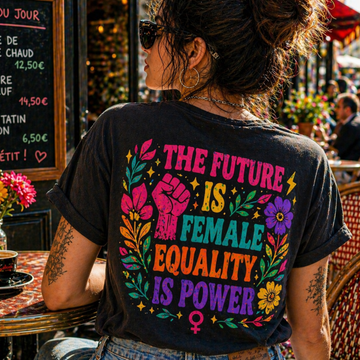




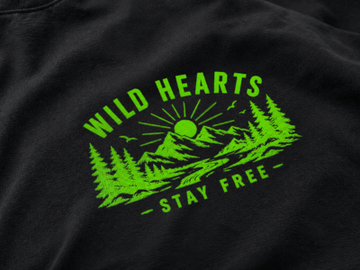











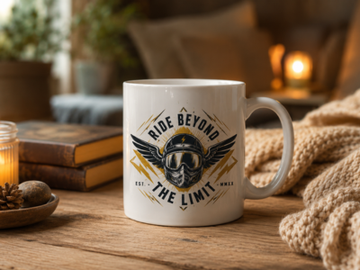

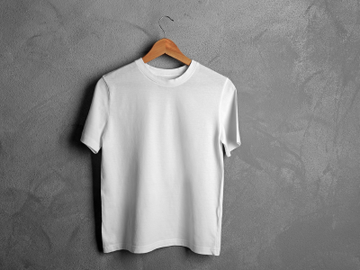





T-shirt printing is one of the most common requests in textile customization. Promotional t-shirt, work wear, event textile, brand collection, club jersey… the uses are numerous, and needs vary greatly depending on the customer.
For professionals equipped with a heat press, the matter is straightforward: you need a reliable solution, quick to apply, clean, and suited to different types of orders.
Whether you're a signage specialist, clothing brand, advertising or communications agency, workwear / PPE specialist, independent, freelancer, graphic designer, or a specialized or sports retailer, choosing the right textile transfer saves time, secures production and avoids many headaches.
In this article, we break it down simply: which solutions to use to succeed with a t-shirt transfer, depending on the type of visual, textile and expected finish level.
T-shirt printing: different needs depending on your trade
For sign makers
Many sign makers already have a local or professional clientele asking for textiles: trade shows, events, teams, promotional items, commercial operations…
Offering textile transfers allows you to have a simple offer to apply, quick to produce, and which complements well an activity focused on visual communication.
For clothing brands
A clothing brand doesn't always need large runs. Sometimes, it's mainly about testing a design, launching a drop, releasing a capsule or restocking quickly.
In this case, transfer allows you to:
- launch a small run,
- test multiple designs,
- produce more flexibly,
- avoid tying up too much stock,
- maintain good quality rendering.
For advertising and communication agencies
An advertising agency or communication agency often needs to move fast: event, brand activation, team outfit, field campaign, textile goodies…
The promotional t-shirt remains a classic, but you need to be able to produce on time, with clean rendering.
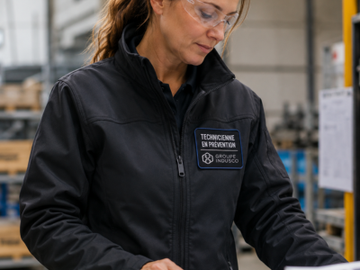
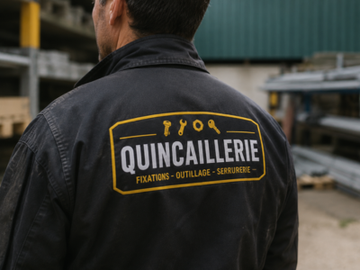
For workwear and PPE professionals
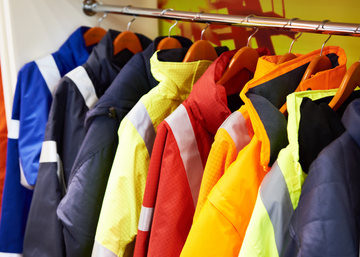
Specialists in workwear or PPE have more concrete needs: legible marking, good durability, repeatability, compatibility with professional textiles.
Here, we often talk about:
- work t-shirts,
- polos,
- sweatshirts,
- softshells,
- team outfits,
- field clothing.
The issue isn't just decorating a t-shirt. You need marking that holds up, stays clean and positions easily.
For self-employed workers, freelancers, independents and graphic designers
When you're self-employed, a freelancer, graphic designer or self-employed worker, you often want to offer textiles without complicating your operations.
Transfer printing is perfect for that:
- you can sell a complete service,
- offer merchandising,
- create a micro-brand,
- test ideas,
- produce in small quantities,
- stay agile.
For specialty retailers and sports retailers
Specialty retailers and especially sports retailers often have varied needs: club, shop, event, supporters, team, seasonality…
Being able to write on a t-shirt, add names, numbers, a logo or a campaign visual quickly, is often a real advantage.

How to apply a transfer to a t-shirt ?
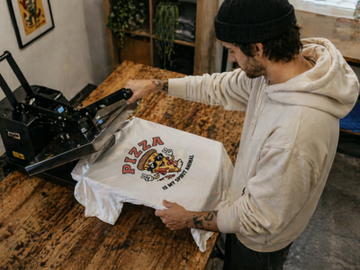
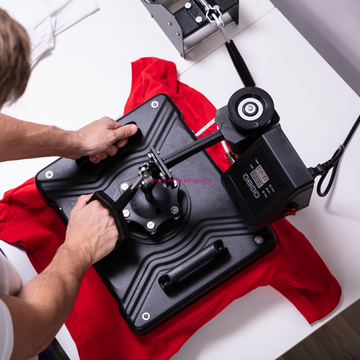
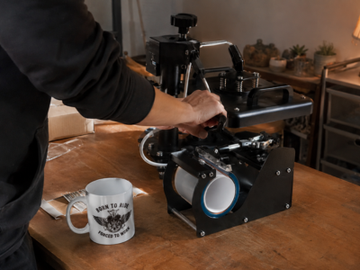
In practice, for a professional, the principle is straightforward:
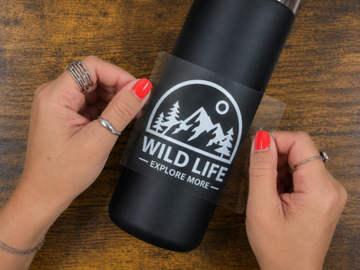
- the design is printed on a transfer film,
- position the transfer on the textile,
- press with the correct settings,
- remove the film at the right time,
- finish if needed (second pressing)
Put that way, it's simple.
In reality, what makes all the difference is:
- the type of transfer,
- the quality of the design,
- the textile,
- the application settings,
- and the consistency of the process.
The result depends mainly on making the right technical choice.
The screen printing transfer : a safe bet for professionals
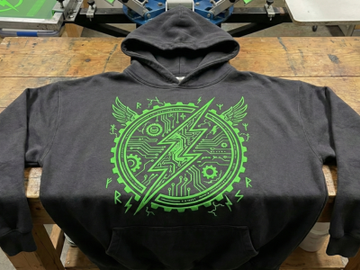
The screen print transfer remains a reference for many professionals.
It's a simple, reliable and effective solution, especially when looking for clean, durable marking that's easy to apply.
Why does it work well?
Screen print transfer is often chosen for:
- large runs,
- its good wash resistance,
- its sharp finish,
- its good opacity,
- its production consistency,
- its quick application,
- its effectiveness on well-defined logos and visuals.
Who is it particularly suited for?
It's a very good solution for:
- sign makers,
- professionals in workwear,
- agencies managing recurring operations,
- sports retailers,
- resellers who do regular marking.
For what types of orders?
Screen print transfer works very well for:
- company logos,
- professional clothing,
- promotional t-shirt orders,
- team uniforms,
- clubs,
- corporate marking,
- reorders.


The DTF transfer : the most flexible solution for complex visuals
The DTF transfer has become essential for many workshops.
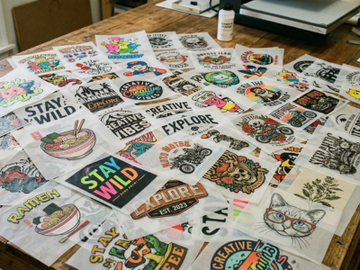
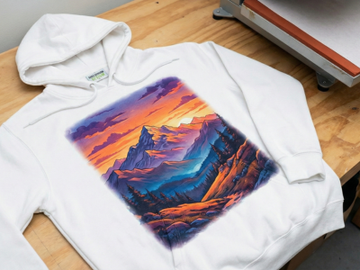
If you need to manage detailed visuals, small series, varied orders or multicolor designs, it's often the simplest solution.
Why do so many professionals use it?
Because DTF allows you to:
- reproduce complex visuals,
- produce four-color designs,
- manage fine details,
- avoid cutting and weeding,
- work quickly on varied orders,
- keep a simple application process.
Who is it particularly useful for?
DTF is very suitable for:
- clothing brands,
- graphic designers,
- creative freelancers,
- advertising agencies,
- specialized retailers,
- workshops that do a lot of small or medium series.
When should you choose it?
It's often the right solution if the customer wants to:
- transfer an image onto a t-shirt,
- print an illustration,
- reproduce a visually rich design,
- launch a micro-series,
- test multiple designs,
- place a quick order with multiple variations.
For many professionals, it's now the most flexible solution for modern and easy t-shirt printing.


The sublimation transfer : useful on the right substrates
The sublimation transfer is not suitable for all projects, but on the right substrates, it's an excellent solution.
When to use sublimation transfer?
Sublimation is especially useful for:
- light-colored polyester textiles,
- technical jerseys,
- certain sportswear,
- compatible promotional items.
It is therefore a relevant option for certain sports brands, specialized resellers, or professionals working with technical substrates.


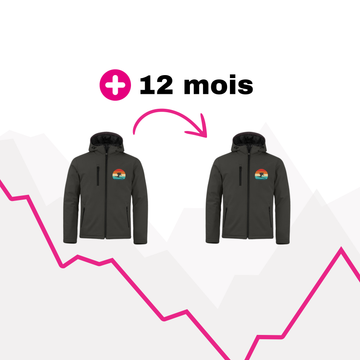
Patches: a good option to move upmarket
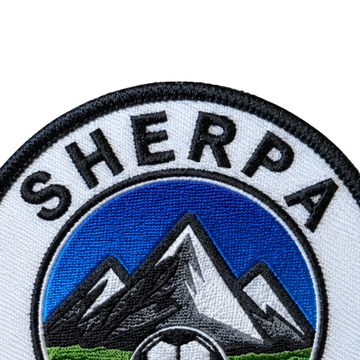
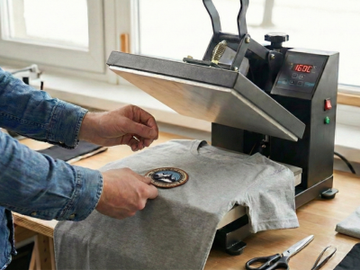
Patches are a really good option when you want to offer something other than standard marking.
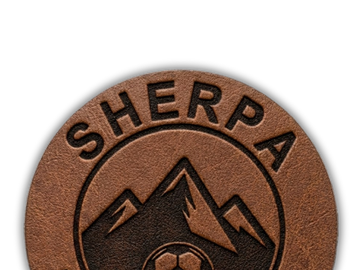
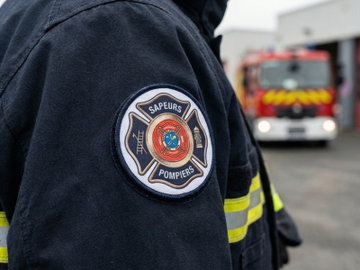
They allow you to add relief, texture and a more premium finish to a garment or accessory. It's an interesting solution for professionals who want to enhance their offering or bring more perceived value to personalized textiles.
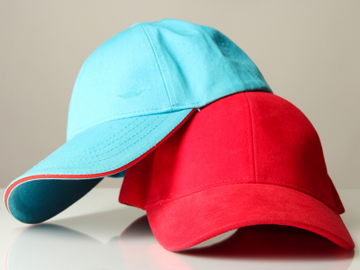
Today they can be found on many supports: work clothing, corporate textiles, brand collections, sports equipment, caps, bags or event series.
Why do so many professionals use it?
Because a patch allows you to:
- give more character to a garment,
- strengthen the visual identity of a brand or team,
- offer a more premium finish,
- personalize easily with quick application,
- obtain a clean and durable result,
- add a real visual difference compared to standard marking.
For professionals equipped with a heat press, it's also a simple solution to integrate into the process.
Who is it particularly useful for?
Patches are particularly useful for:
- clothing brands that want to create a more refined finish,
- professionals in workwear or PPE,
- sports retailers and clubs,
- signage companies that want to expand their textile offerings,
- communication agencies looking for a more premium result,
- specialized retailers that want to offer more distinctive personalization.
When should you choose it?
Patches are a good choice when you want to:
- enhance a logo or brand identity,
- personalize a garment with a more high-end finish,
- create a capsule collection or premium series,
- mark workwear or corporate textiles,
- personalize caps, bags or jackets,
- offer an alternative to standard transfer.
In short: if you're looking for a solution that's more visual, more textured and more distinctive than a simple textile transfer, the patch is often a very good option.


Depending on your activity, which t-shirt transfer to choose?
You are a sign maker
The screen printing transfer is often a very good basis for offering textiles simply.
The DTF is useful if you have more varied requests or richer visuals.
You are a clothing brand
The DTF is often the most flexible for launching small series, testing designs and producing detailed visuals.
Patches can also be very interesting for certain pieces.
You are an advertising or communications agency
If you need to produce quickly for campaigns, DTF or screen printing transfer depending on the visuals and quantities.
You work in workwear / PPE
The screen printing transfer remains often a very good solution for readable, consistent and durable markings.
You are a self-employed, freelance, independent or graphic designer
The DTF is often the simplest and most flexible solution for selling personalized textiles without complicating your structure.
You are a specialized retailer or sports retailer
Depending on the case:
- DTF for complex visuals or small series,
- screen printing for regular markings,
- sublimation on compatible technical supports,
- patches for certain more premium ranges.
Sherpa Transfert : when you want to go fast and produce well
When you already have a heat press, the real question isn't just how to apply a transfer to a t-shirt.
The real question is mainly:
- saving time,
- maintaining consistent quality,
- avoiding waste,
- simplifying production,
- being able to handle more orders,
- without overloading your workshop.
That's exactly where Sherpa Transfert makes sense for your business!
Whether you're a sign maker, agency, brand, workwear specialist, freelancer, or sports retailer, the benefit is the same: receive ready-to-apply transfers that are reliable, clean, and tailored to your needs.
Concretely, this allows you to:
- streamline production,
- standardize application,
- limit testing,
- respond faster to orders,
- expand your offering without multiplying equipment.
FAQ - T-shirt printing and textile transfer
What is the best solution for printing on a t-shirt?
It depends on the project.
For a simple logo, regular marking or workwear, screen-printed transfer is often very suitable.
For complex, detailed or multicolor artwork, DTF transfer is often more flexible.
How to transfer onto a t-shirt with a heat press?
You need an adapted transfer, compatible textile, and proper application settings.
The principle is simple: positioning, pressing, peeling.
The real difference comes down to the quality of the transfer and the consistency of the process.
Can you transfer an image onto a t-shirt easily?
Yes. If you want to transfer an image onto a t-shirt with clean and detailed finish, DTF is often the most suitable solution for a professional.
Which solution to choose to personalize a t-shirt?
To write a first name, text, or simple visual on a t-shirt, screen-printed transfer works very well.
If the text is accompanied by a richer visual, DTF can be more interesting.
Is the promotional t-shirt still a good idea in 2026?
Yes, absolutely. The promotional t-shirt remains an effective medium for events, communications, teams, clubs, commercial operations, and brands.
Key takeaways:
- screen print transfer is a reliable choice for clean, durable and consistent markings;
- DTF transfer is ideal for complex designs, small runs and flexible orders;
- patches allow you to offer a more premium finish.


