


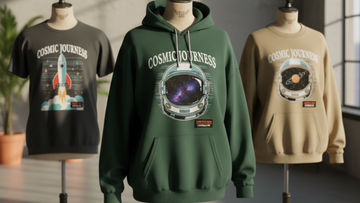
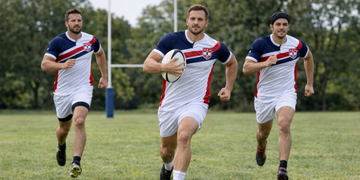






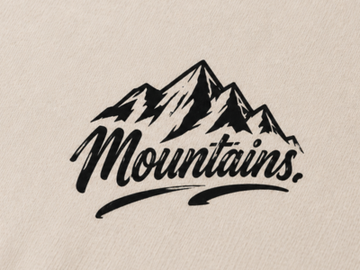
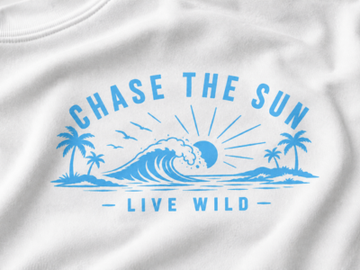
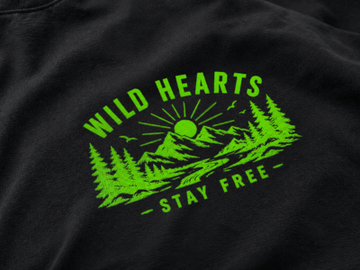
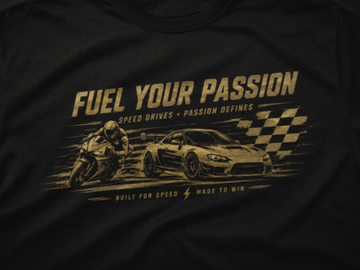








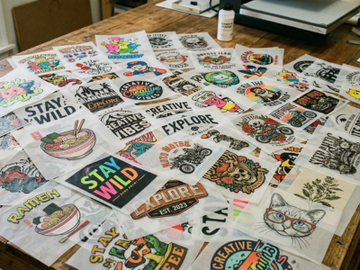
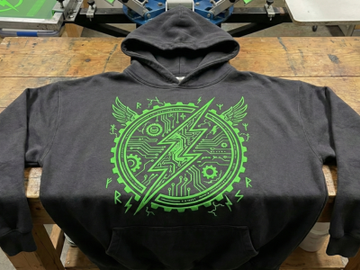
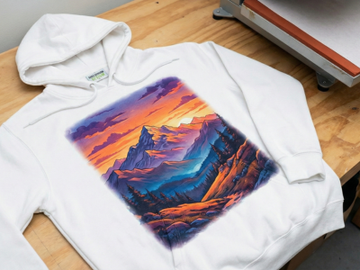
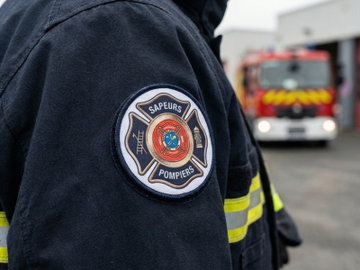






Logo printing on textiles is now essential for brands, companies and professionals looking to strengthen their visibility. Whether for promotional clothing, work uniforms, ready-to-wear collections or event materials, the logo is a central element of brand image.
But achieving quality logo printing is not something to be improvised. Visual rendering, durability and color accuracy depend directly on the marking technology chosen. Among current solutions, DTF (Direct to Film) printing stands out as a modern, high-performance alternative particularly suited to professional needs.
- Why logo print quality is decisive
- Textile logo printing: limitations of traditional techniques
- DTF printing: an ideal technology for logo printing
- Comparison of main logo printing techniques
- Logo printing with DTF: for which professional uses?
Why logo print quality is decisive
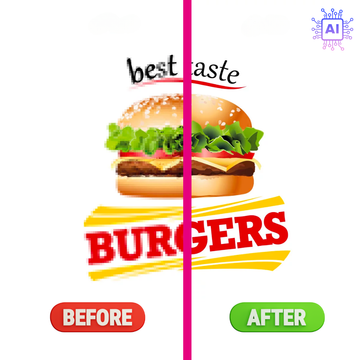
A logo printed on textile is not just decorative. It carries the visual identity of the brand and contributes to the perception of quality of the finished product. Approximate marking, altered colors or a visual that deteriorates after a few washes can quickly damage a company's credibility.
The quality of your logo represents:
- your visual identity
- your values and positioning
- the perceived quality level of your brand or company
Conversely, sharp, precise and durable logo printing reinforces brand consistency, enhances the textile and improves customer experience. This is why more and more professionals are turning to techniques capable of faithfully reproducing complex visuals, without compromising on durability.
This is why the choice of printing technology is decisive, particularly when the logo includes:
- fine details,
- multiple colors,
- gradients,
- a requirement for durability over time.
Textile logo printing: the limits of traditional techniques
Screen printing: effective but restrictive
For a long time, screen printing was the standard for printing logos on textiles. It remains effective for large runs and simple, monochrome designs, but it involves significant constraints.
Screen printing has several limitations:
- high fixed costs for small runs,
- need to create screens (one per color),
- not suitable for complex or multicolor logos,
- longer production times.
It remains relevant for large quantities with simple designs, but quickly shows its limitations when flexibility is needed.
Flex and flock: simple but restrictive
Flex and flock, meanwhile, offer quick implementation but quickly show their limitations. Vinyl cutting prevents any graphic complexity, the finish can be rigid, and durability over time depends heavily on the substrate and conditions of use. These are techniques poorly suited to:
- logos with gradients,
- small details,
- visuals rich in colors.
The finish is not flexible and less qualitative on certain textiles.
These constraints opened the way to more flexible and precise solutions, such as DTF printing.
DTF printing : an ideal technology for logo printing
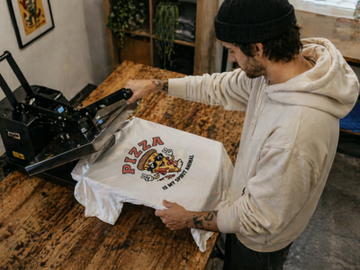
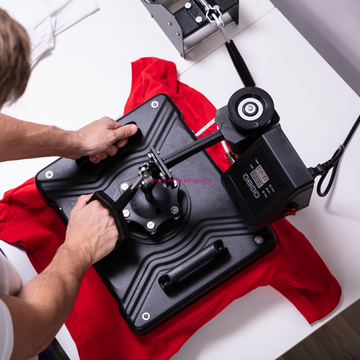
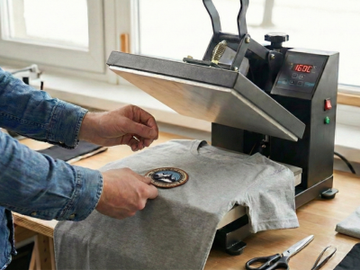
DTF (Direct to Film) printing is based on a simple and effective process. The logo is digitally printed on a specific film, then covered with a heat-activated adhesive before being heat-transferred onto the textile using a press.
Unlike screen printing or flex, no cutting or stencil is necessary. The logo is reproduced exactly as designed, with remarkable precision, including fine details, gradients, and multicolor elements.
👉 Discover our professional DTF printing service to create precise, durable logos faithful to your visual identity, with no minimum order.
Why DTF printing is particularly suitable for logos
Perfect fidelity to your logo
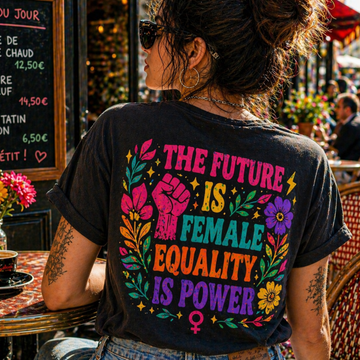
One of the main advantages of DTF printing lies in its ability to faithfully respect a logo's graphic identity. Colors are intense, outlines are sharp and details are perfectly legible, even in reduced formats. DTF printing allows extremely faithful reproduction of logos, even the most complex ones:
- color gradients,
- graphic effects,
- small text,
- fine outlines.
It is an ideal solution for respecting a demanding graphic charter.
Excellent durability over time
The final result is both flexible and resistant. Unlike some more rigid techniques, DTF marking integrates naturally into the textile, without a "cardboard effect". It also offers excellent resistance to washing and wear, making it a perfectly suitable solution for professional use. A logo printed in DTF offers:
- excellent wash resistance,
- good resistance to friction,
- a flexible finish, without cardboard effect.
The marking remains sharp and legible even after numerous wash cycles.
Compatibility with all types of textiles
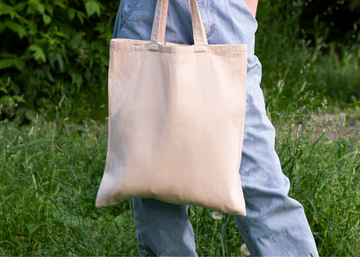
Another major advantage: versatility. DTF printing can be applied to a wide variety of textiles, whether light or dark, in cotton, polyester or blended materials. This allows you to apply a logo to t-shirts, sweatshirts, work clothes, tote bags or promotional textiles, without technical constraints. DTF printing adapts to a wide variety of materials:
This makes it a versatile solution, particularly for printing logos on t-shirts, sweatshirts, caps, tote bags or other clothing.
👉 Explore our textile printing solutions and find the technique best suited to your fabric marking projects.
👉 Choose durable and high-performance textile printing, ideal for sportswear, jerseys and outfits subject to intensive use.
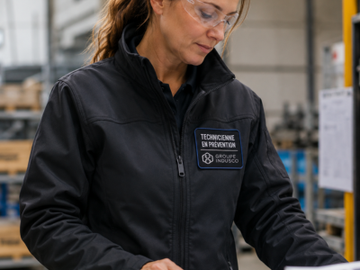
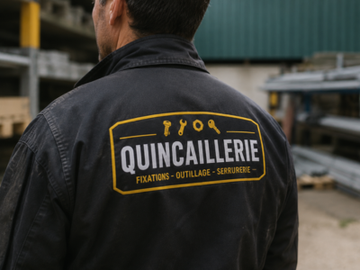
👉 Customize your work clothing with durable and professional logo printing, adapted to the requirements of businesses and field teams.
An ideal solution for small and medium runs
Unlike screen printing, DTF printing requires no minimum order. It is perfectly suited for:
- collection testing,
- limited series,
- occasional needs,
- made-to-order orders.
A major advantage for textile brands, creators and professionals.
👉 Are you hesitating between several techniques? Discover our guide to choose the best textile marking method in small quantities according to your needs.
Comparison of main techniques for logo printing
Main logo printing techniques
This table highlights why DTF printing stands out as a balanced solution, capable of meeting most logo printing needs.
Logo printing with DTF : for which professional uses?
DTF printing is relevant to a wide range of players. It is particularly suitable for clothing brands wishing to produce in small or medium series, textile marking workshops looking for flexibility, companies wishing to customize professional clothing, or event professionals needing quick turnaround.
It also allows creators and communication agencies to offer complex and high-quality logos without heavy technical constraints.
DTF printing is ideal for:
- clothing brands,
- textile marking workshops,
- communication agencies,
- companies wishing to embroider professional clothing,
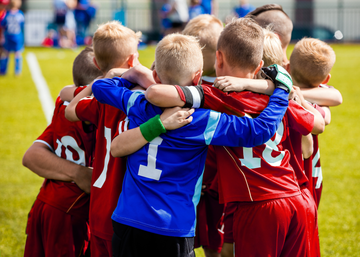
- sports clubs and associations,
- event professionals,
- independent creators.
It allows you to combine quality, flexibility and profitability, without compromise on the final result.
DTF printing at Sherpa Transfert: a service designed for professionals
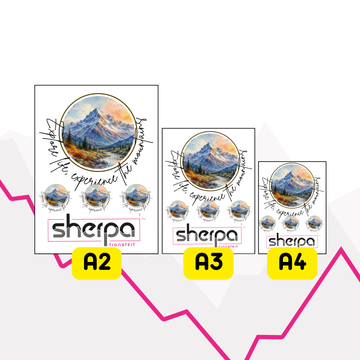
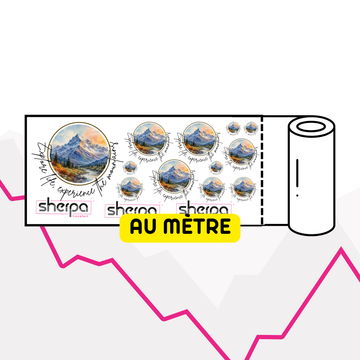
At Sherpa Transfert, we offer a high-quality DTF printing service, designed to meet the requirements of textile professionals. Each print is carried out with care to ensure faithful, durable rendering perfectly suited to its final use.
Our objective is simple: to allow each logo to fully express itself on textile, whether it's a one-off project or regular production. Thanks to controlled production and fast turnaround times, we support brands, workshops and companies in the success of their textile marking projects.
At Sherpa Transfert, we have chosen to offer a high-end DTF printing service, designed for demanding professionals.
Our approach is based on:
- optimal print quality,
- intense and precise colors,
- excellent production consistency,
- fast turnaround times,
- technical support if needed.
Whether you want to print a logo to launch a textile collection, equip a team or fulfill a customer order, we offer you a reliable, durable and professional solution.
👉 Access our DTF printing service and launch your textile marking projects with a flexible and professional solution.
FAQ - Logo printing and DTF printing
What is the best technique for printing a logo on textile?
It all depends on the design and quantities. For a complex, multicolor logo or one with gradients, DTF printing is today one of the most effective solutions, especially for small to medium runs.
Is DTF printing durable over time?
Yes. A logo printed in DTF offers excellent resistance to washing and wear, provided you follow the textile care instructions.
Can a DTF logo be printed on all textiles?
DTF printing is compatible with the vast majority of textiles, whether light or dark, cotton, polyester, or blends. This is one of its major advantages.
Is DTF printing suitable for small quantities?
Yes, it's actually one of its strengths. Unlike screen printing, DTF printing requires no minimum order quantity.
What is the difference between DTF printing and flex?
Flex is based on vinyl cutting, which greatly limits logo complexity. DTF printing, on the other hand, allows faithful reproduction of complex designs, with a more flexible and higher-quality finish.
👉 Discover our professional DTF printing service to print precise, durable logos that reflect your visual identity, with no minimum order.
Today, DTF printing has become a modern solution to the constraints of traditional textile marking. It combines:
- the visual quality of digital printing,
- the durability of professional printing,
- production flexibility,
- no minimum order requirement.
For any business or brand looking to enhance its image through sharp, precise and durable logo printing, DTF has become a strategic choice. At Sherpa Transfert, we put our expertise at the service of your projects to transform your logos into impactful and durable textile prints.


